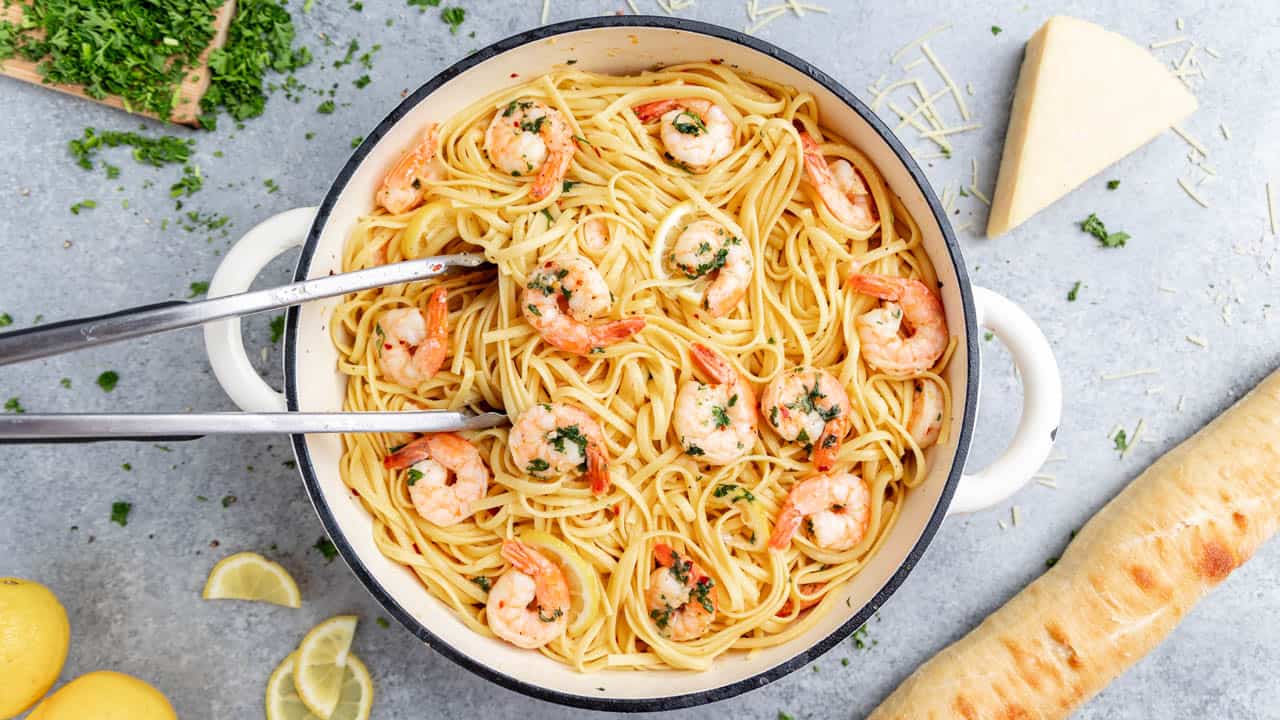
Shrimp Linguine vs. Scampi: The Zesty Italian Difference Unveiled
Few dishes evoke the warmth and culinary artistry of Italy quite like a beautifully crafted pasta. When succulent seafood meets perfectly cooked noodles, magic happens. Among the pantheon of beloved Italian seafood preparations, shrimp linguine stands out as a vibrant, zesty classic that promises restaurant-quality taste in the comfort of your own home. But how does this delightful dish compare to its equally popular cousin, traditional shrimp scampi? While both feature tender shrimp bathed in a rich, garlicky sauce, understanding their distinct nuances is key to appreciating the truly zesty Italian difference.
Unpacking the Allure of Shrimp Linguine
Imagine perfectly tender shrimp, glistening with a bright, aromatic sauce, all tossed with strands of delicate linguine. This is the essence of shrimp linguine. It’s a dish designed for ease and elegance, making it an ideal choice for a quick weeknight meal, a romantic dinner for two, or an impressive centerpiece for a dinner party. Its widespread appeal stems from a harmonious blend of simple yet high-quality ingredients that sing together on the palate.
At its heart, shrimp linguine is characterized by a luminous sauce built on olive oil, copious amounts of fresh garlic, the vibrant zing of lemon (both juice and zest are crucial), and a subtle kick from red pepper flakes. This combination creates a profile that is distinctly bright, fresh, and slightly spicy. The "linguine" itself, translating to "little tongues," is the perfect vehicle for this sauce. Its flat, narrow shape provides an expansive surface area, allowing it to lovingly cling to and soak up every drop of that irresistible lemon-garlic goodness, ensuring a flavorful bite every time.
What sets many authentic shrimp linguine recipes apart, especially in modern interpretations, is their ability to achieve a silky, luxurious sauce without relying heavily on cream or butter. The secret often lies in skillfully emulsifying olive oil with garlic, lemon, chili flakes, and most importantly, reserved pasta water. This starchy, savory liquid binds the sauce, creating a rich texture that belies its lighter, dairy-free nature. The final flourishes of freshly grated Parmesan cheese and a generous sprinkle of chopped fresh parsley not only add depth and visual appeal but firmly plant this dish in its Italian culinary heritage.
Shrimp Linguine vs. Traditional Shrimp Scampi: A Flavorful Face-Off
When comparing shrimp linguine with traditional shrimp scampi, the common thread is undeniable: succulent shrimp and a savory, garlic-infused sauce. However, beneath this shared foundation lie critical distinctions that define their unique characters. Understanding these differences can guide your choice based on your craving for zest or richness.
Let's break down the key characteristics:
Shrimp Linguine: The Bright & Zesty Contender
- Dominant Flavors: The star here is undoubtedly fresh lemon – both its bright juice and aromatic zest. This provides a tangy, clean finish that distinguishes it. A subtle hint of red pepper flakes adds a welcome warmth and gentle spice.
- Sauce Base: Typically crafted with a generous amount of good quality olive oil, garlic, lemon, chili flakes, and often a splash of white wine or chicken/clam broth. The emphasis is on building layers of flavor with lighter liquids.
- Italian Flair: Frequently finished with grated Parmesan cheese and fresh parsley, lending a clear Italian identity to the dish.
- Pasta Pairing: As the name suggests, it is almost exclusively served with linguine pasta, chosen for its ideal shape to capture the zesty sauce.
- Overall Profile: Lighter, brighter, and more herbaceous, with a pronounced tang and a subtle spicy kick. It transports you to the Mediterranean seaside with its fresh profile. For those eager to master this quick classic, Master Easy Shrimp Linguine: Restaurant Quality in 15 Minutes offers invaluable guidance on achieving perfection quickly.
Traditional Shrimp Scampi: The Rich & Buttery Classic
- Dominant Flavors: While garlic is central, traditional scampi often leans into the richness of butter and frequently features white wine as a primary liquid in its sauce. Lemon is sometimes present, but usually less assertive than in shrimp linguine.
- Sauce Base: The hallmark of traditional scampi is its buttery, garlicky sauce, often enriched with white wine. The butter provides a creamy, unctuous mouthfeel that is less common in purist shrimp linguine.
- Versatility: Scampi is more adaptable in its serving. While popular with pasta (often spaghetti or fettuccine), it can also be served over rice, or simply with crusty bread to soak up the luxurious sauce.
- Overall Profile: Generally richer, more savory, and less tangy or spicy than shrimp linguine. The focus is on the decadent combination of garlic, butter, and often a dry white wine.
While modern culinary trends have seen some blurring of lines – with scampi sometimes incorporating more lemon or linguine recipes adding a touch of butter – the core identities remain. If you're craving a dish that's bright, herbaceous, and boasts a lively lemon-garlic punch with a hint of heat, shrimp linguine is your go-to. If a richer, more buttery, and straightforward garlic flavor is what you seek, traditional shrimp scampi will likely hit the spot.
Crafting Your Perfect Shrimp Linguine: Tips for Success
Achieving a truly stellar shrimp linguine at home is surprisingly simple, provided you adhere to a few core principles. The beauty of Italian cooking, after all, lies in elevating simple ingredients through careful technique.
- Quality Ingredients Matter: As with all great Italian dishes, the quality of your ingredients is paramount. Invest in fresh, good-quality shrimp from a reputable source. Large, juicy shrimp offer the best texture and flavor. Similarly, a high-quality extra virgin olive oil and fresh garlic will make a noticeable difference.
- Don't Overcook the Shrimp: Shrimp cooks incredibly fast, often in just 2-3 minutes until pink and opaque. Overcooked shrimp becomes rubbery, so keep a close eye on it.
- The Sauce Secret: Reserved Pasta Water: This is a game-changer, especially for creating a dairy-free yet silky sauce. Before draining your cooked linguine, reserve at least a cup of the starchy water. This liquid is key to emulsifying your sauce, giving it body and allowing it to cling beautifully to the pasta without adding cream. For a deeper dive into this technique, discover the Chef's Secret: Silky Lemon Garlic Shrimp Linguine (Dairy-Free).
- Fresh Lemon is Non-Negotiable: Use both fresh lemon juice for tang and lemon zest for that intense aromatic burst. Add the zest late in the cooking process to preserve its vibrant oils.
- Balance the Heat: Red pepper flakes add a delightful hint of spice. Start with a smaller amount and add more to your preference.
- Finish with Freshness: A generous handful of fresh parsley and a sprinkle of grated Parmesan cheese (if not keeping it strictly dairy-free) just before serving will brighten the dish and add authentic Italian flavor.
For those times when you need an even quicker meal, using already cooked salad shrimp can shave off precious minutes. And while the star is undoubtedly shrimp, some home cooks report success with substituting chicken for shrimp, offering another delicious variation.
Beyond the Basics: Elevating Your Shrimp Linguine Experience
To truly master shrimp linguine, consider these additional insights that go beyond the basic recipe:
- Shrimp Selection: While fresh is ideal, high-quality frozen shrimp (thawed properly) works wonderfully. Look for raw, peeled, and deveined shrimp for convenience, or tackle the peeling yourself for maximum freshness. Aim for medium to large shrimp for a substantial bite.
- Pasta Perfection: Don't just boil the linguine; cook it al dente – firm to the bite. It will continue to cook slightly when tossed with the hot sauce. This ensures a pleasant texture that isn't mushy.
- Building the Flavor Foundation: Sauté your garlic gently in olive oil until fragrant, but be careful not to burn it, as burnt garlic turns bitter. This initial step sets the stage for the entire sauce.
- The Art of Tossing: Once the pasta, shrimp, and sauce are in the pan, toss them vigorously to ensure every strand of linguine and every piece of shrimp is thoroughly coated. This creates that desirable cohesive dish.
- Pairing for Perfection: To complete the Mediterranean experience, serve your shrimp linguine with a crisp white wine such as a Sauvignon Blanc or Pinot Grigio. A simple side of roasted broccoli with lemon provides a perfect textural and flavor counterpoint, echoing the lemon in the pasta.
- Dietary Adaptations: The inherent dairy-free nature of many shrimp linguine recipes (when omitting Parmesan) makes it an excellent choice for those with dairy sensitivities. For gluten-free guests, simply opt for your favorite gluten-free linguine alternative.
Conclusion
Whether you're a seasoned chef or a home cook looking to expand your repertoire, shrimp linguine offers a truly rewarding culinary experience. It stands apart from traditional shrimp scampi with its pronounced zesty lemon, subtle spice, and distinct Italian flair, often achieved with a lighter, dairy-free sauce that still boasts incredible silkiness. This dish is more than just a meal; it's an invitation to savor the vibrant flavors of the Mediterranean coast, right at your own dinner table. So, don your apron, gather your fresh ingredients, and prepare to impress yourself, your family, or your guests with this delectable and impressively quick classic.
